THE rainy season is upon us, with some provinces already in full swing.
Gauteng is also joining others this weekend with rains.
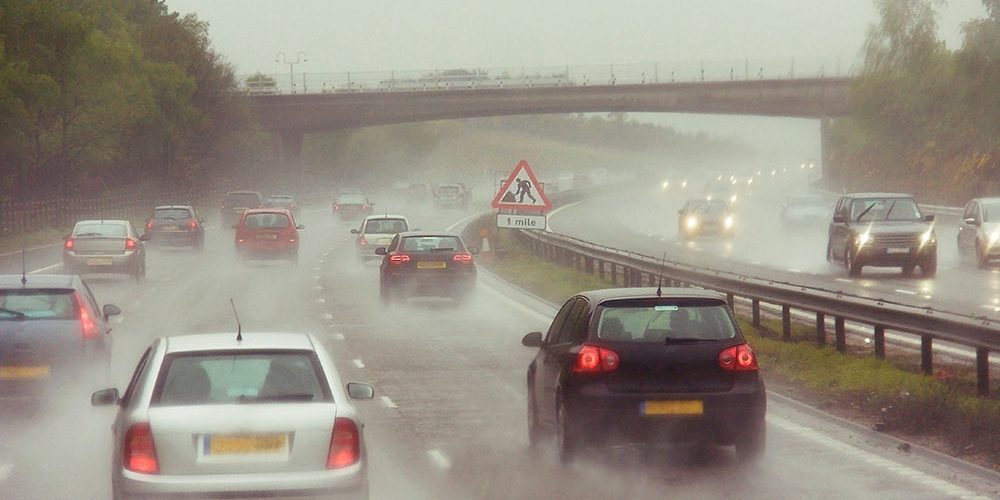
The City of Johannesburg Emergency Management Services (EMS) Spokesperson Robert Mulaudzi advised motorists to be extra careful when driving and using roads while it is raining.
Driving in the rain requires extra caution because wet roads can be dangerous.
They are slippery and there’s less visibility.
Cartrends put together safety precautions that motorists should be aware of when driving in rain.
Before you even drive in the rain, check your tires and wipers
Ensure your tires have sufficient tread depth because bald tires can increase the likelihood of slippery.
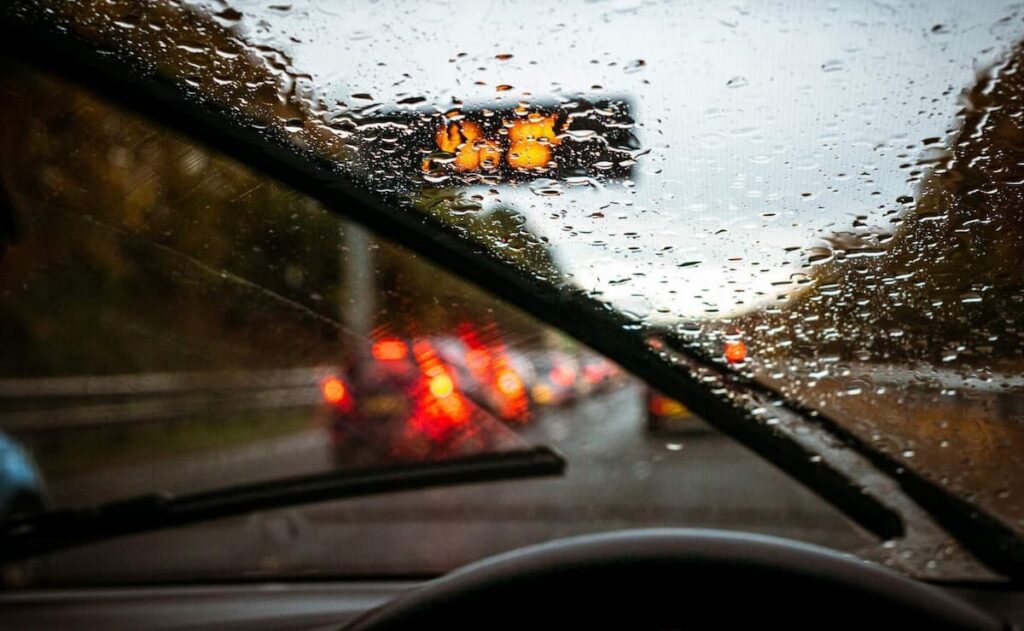
Make sure your wipers are in good condition. Adjust the wipers as needed to maintain clear visibility. Use your defogger or air conditioning to keep the windows clear of condensation.
*Do not speed.
Wet roads can increase stopping distances. Slowing down gives you more time to react to potential hazards.
You must avoid sudden manoeuvres as quick acceleration or hard braking can cause your tires to lose grip. It’s important to drive smoothly.
*Increase your following distance
You must try and keep a larger distance between you and the car in front of you than you would in dry conditions. A good rule of thumb is to maintain at least four to six seconds of following distance.
This is because it may take longer to stop on wet surfaces. Giving yourself plenty of room to react is advantageous.
*Use your headlights
Turning on your headlights helps other drivers see you.
*Turn off cruise control
It’s always best to drive manually in the rain, especially on slick surfaces. Cruise control could cause your car to maintain speed in a way that might lead to hydroplaning.
*Avoid standing water
Driving through large puddles or standing water can cause hydroplaning or even damage to your vehicle. If you must drive through water, do so slowly to reduce the risk of losing control.
*Stay in the tracks of other cars
If you’re driving behind another vehicle, try to drive in the same tracks left by its tires. This can help reduce the chances of hydroplaning.
*Be cautious of other drivers
Anticipate others’ actions-Remember that other drivers may not be as cautious as you. Keep an eye out for vehicles that may be having trouble braking, steering, or keeping their lanes.
Armed with these tips can help you be much safer on the road and help reduce the risk of accidents resulting from wet roads.
Always stay alert and adjust your driving habits to the conditions.