ADVANCE Driver Assistance Systems (ADAS) are becoming increasingly common in modern vehicles, offering safety features such as Autonomous Emergency Braking (AEB), Lane Keep Assist, Forward Collision Warning, Adaptive Cruise Control and Traffic Sign Recognition.
However, motorists may not realise that replacing a windscreen can affect the accuracy of these systems.
Many ADAS cameras are mounted behind the windscreen and require recalibration after glass replacement or camera removal to ensure they function correctly.
Even minor changes in the camera’s position can affect its ability to detect road markings, vehicles and potential hazards. A misalignment of just one degree can result in an error of approximately 2.4 metres over 30 metres, potentially compromising safety at highway speeds.
Failure to recalibrate ADAS can lead to inaccurate warnings, false alarms or systems failing to activate when needed. It may also increase accident risks and create insurance complications, as some insurers require proof of recalibration following a windscreen replacement.
According to PG Glass, standard vehicle diagnostic scans may not identify missing or inaccurate ADAS recalibration. A vehicle can therefore appear fault-free despite its safety systems being compromised. Certified recalibration is essential to restore the correct camera alignment and functionality.

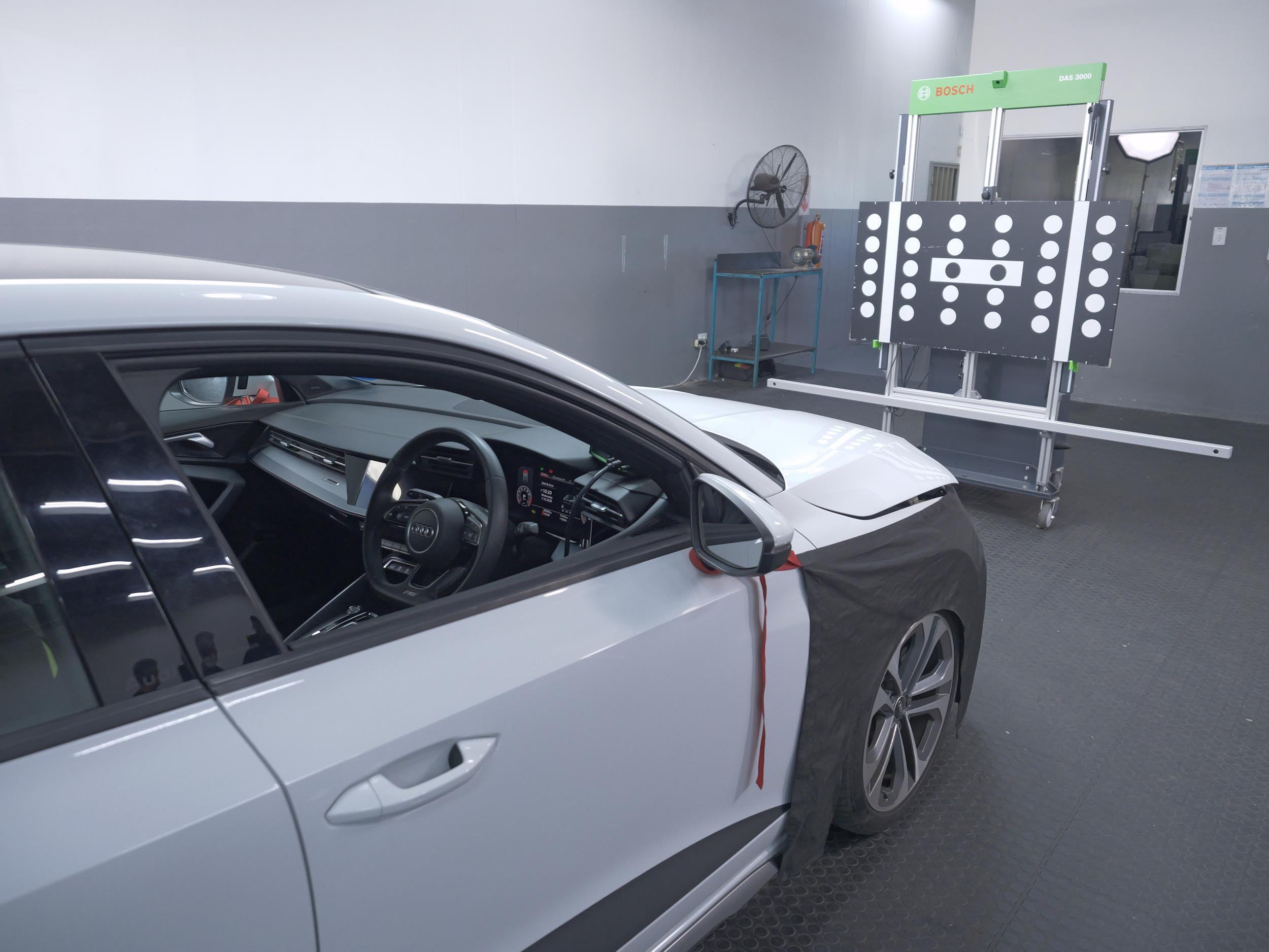
The process generally involves two methods: static and dynamic recalibration. Static recalibration takes place in a controlled environment, using manufacturer-approved target boards positioned at specific distances and heights. Diagnostic equipment is connected to the vehicle, allowing calibration to be activated using the manufacturer’s software.
Dynamic recalibration is conducted on the road, where the vehicle’s system learns the camera’s position using real-world road markings and environmental cues. Once the process is completed, motorists can receive a recalibration certificate and a permanent record of the procedure.
Eddie Irving, Head of New Markets at Belron, PG Glass’s parent company, says ADAS recalibration is becoming increasingly important as the technology grows in South Africa. Forward-facing cameras reportedly increased from around 2% of the local vehicle parc in 2020 to 17% by the end of 2024. Globally, more than five million vehicles underwent recalibration after windscreen replacement in 2025.
Bobby Ramagwede, CEO of the Automobile Association, urges motorists to insist on certified recalibration whenever their windscreens are replaced. He emphasises that properly functioning ADAS can protect drivers, passengers, pedestrians and cyclists.
For motorists, the message is clear: windscreen replacement should include the necessary ADAS recalibration to help ensure the vehicle’s safety systems continue working as intended.
Also Read:
SELL YOUR CAR WITH CONFIDENCE: INTRODUCING CAR TRENDS PARK & SELL