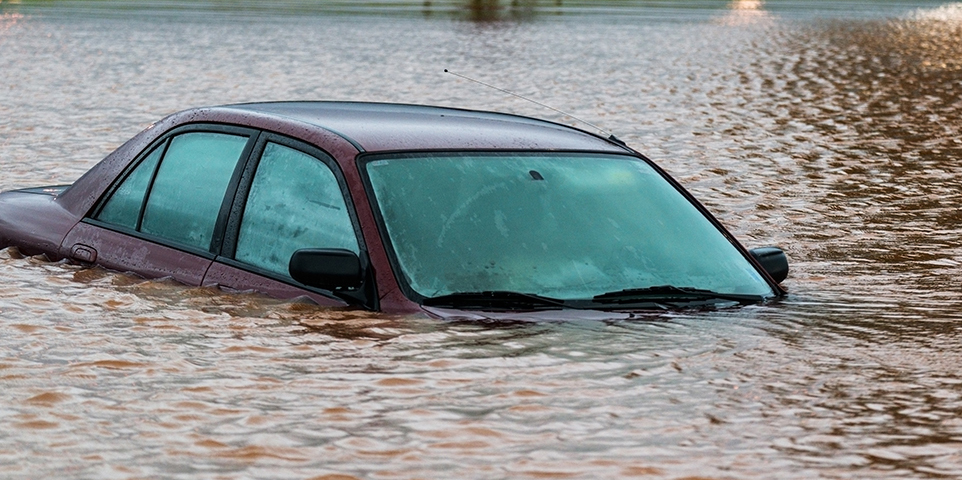
THE City of Tshwane’s Emergency Services Department on Tuesday night had to deploy emergency response teams in Montana, Pretoria North, where several buildings, cars and other properties were damaged by a tornado.
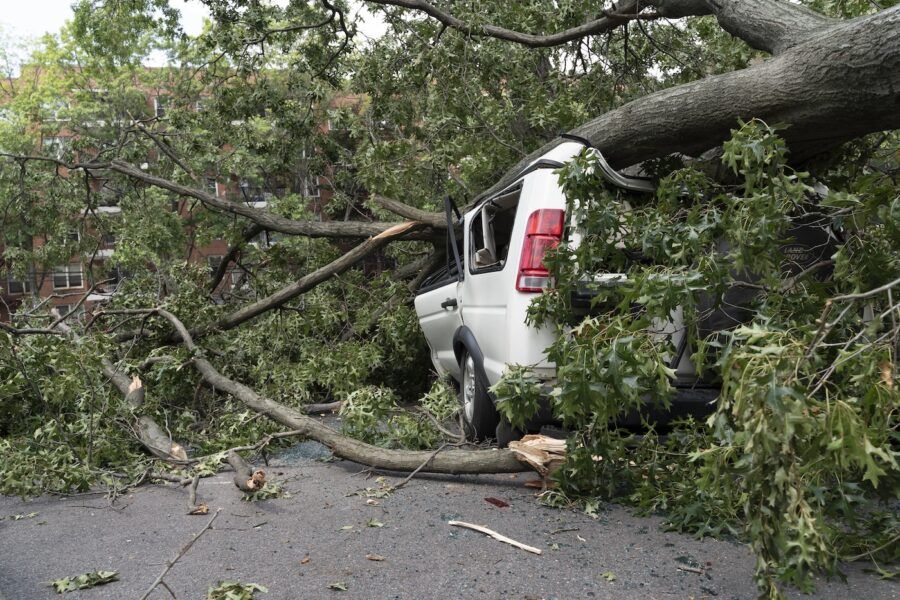
Emergency Services Department’s spokesperson Lindsay Zwelithini Mnguni said the incident was reported as flooding to the Emergency Communication Centre (ECC) and upon arrival, the firefighters found out that there was a significant damage caused by the storm which uprooted some trees and blew away the corrugated iron roof sheets of the buildings, carports and other structures in the area damaging properties and cars.
This brought us to the question of, where can one go in case of damage to their cars caused by natural disasters? Does the government assist with claims to repair or what?
The answer is No. The South African government, does not compensate for damage to cars caused by natural disasters; rather, it focuses on compensating victims of road accidents for injuries or death through the Road Accident Fund (RAF).
RAF’s primary function is to compensate victims of road accidents for injuries or death, not for property damage.
Therefore, this means if your car is damaged by natural disasters, you would typically need to rely on your car insurance policy to cover the damage.
Because South Africa’s weather can be unpredictable, with storms, floods, and wildfires happening often, it is very important for you to know what kind of insurance you will need.
If you already have a car insurance, your task is to contact them and check your policy details to be sure.
It’s important to know what your car insurance plan covers before any disaster happens because not all policies offer protection for natural disasters.
Take a moment to review your policy.
If you have comprehensive car insurance, then your policy might cover these types of events.
While you can’t stop natural disasters from happening, you can reduce the risk of damage by doing this:
Avoid driving during severe weather
If you can, stay off the roads during heavy storms or floods. You can seriously damage your car when driving through flooded areas.
Keep your car in good condition
Regular maintenance can help protect your car from additional damage caused by weather-related incidents. For example, making sure your tyres are in good condition can help you safely drive on wet roads.
Look out for weather alerts
Stay informed about upcoming storms, floods, or severe weather. Many insurers will send you an alert. This can help you prepare by moving your vehicle to a safer place, such as a garage, before the storm hits.
Park in a safe place
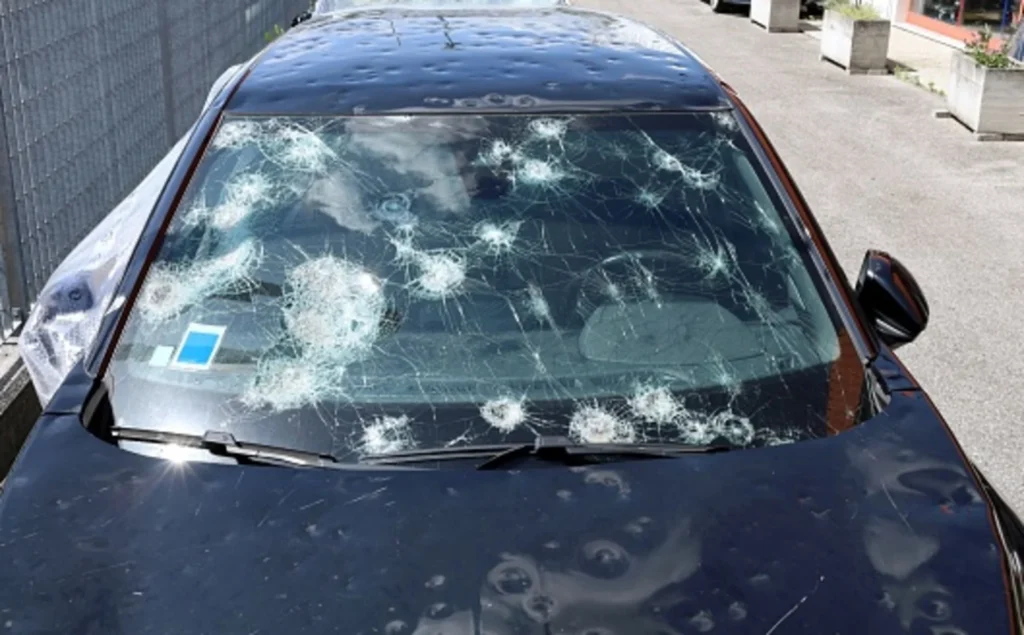
If severe weather is coming, try to park your car in a garage or covered area to protect it from hail or falling debris.
Now let’s look at how would you file for a natural disaster claim?
According to Prime Prime Meridian Direct Insurance (PMD), if your car has been damaged by a natural disaster, these are the steps to follow when filing a claim.
Step 1: Assess the damage
As soon as it’s safe, check your car for damage. Take clear photos of all the areas with damage. These will be necessary when you submit your claim to the insurance company. Remember to check the windscreen, tyres, body panels, and interior.
Step 2: Contact your insurance provider
Once you have photos of the damage, contact your insurer to report the damage. Submit all relevant information, including photos and details about the natural disaster, like when and where it happened.
Step 3: Submit your claim
After contacting your insurer, follow their instructions to file your claim. You’ll need to fill out some forms and provide the necessary information. In the event of a natural fire or disaster, you have to take your car to an authorised assessor so they can inspect the nature of the damage.
Step 4: Follow up
Natural disasters often result in a large number of insurance claims being filed at the same time, which can lead to processing delays. After submitting your claim, your insurer will notify you about the process but you too will have to follow up.
FAQ: But what could affects my claim?
There are several factors that can affect how long your claim takes to process and whether it’s approved.
Let’s take a look at each of these.
Policy limits
Some policies may not cover certain types of natural disasters, or they may limit the payout. Make sure you know these details of your policy before you submit your claim.
Extent of damage
The more severe the damage, the longer the claims process can take. In some cases, a vehicle may be written off if the cost of repairs is more than the car’s value.
Claim backlog
After a widespread natural disaster, insurers may face a high volume of claims, which could delay the processing time.
Having comprehensive insurance is the best way to protect yourself financially from natural disasters. It covers a range of weather-related events.
If you don’t already have comprehensive coverage, it’s worth considering, and making sure your car is protected.
Related Content: How to drive in the rain